Bioculture for Sugar Industry
Develop Stable MLSS in 10 days
Develop Stable MLSS in 10 days
Fast development of MLSS during commissioning. Tolerates shock loads and substrate changes.
Biomass fails to develop before sugarcane crushing season.
High shock loads destroy weak sludge.
Suspended solids get carried over into outlet.
Effluent exceeds PCB discharge limits.
Evobac-SM is a ready-to-use, multi-strain bacterial formulation with added enzymes and trace nutrients. Designed specifically for the sugar industry, it requires no jaggery soaking or pre-activation.
Dosed directly into the aeration tank, the microbes rapidly colonise even in low-COD wastewater.
Evobac-SM forms a dense, highly resilient biomass that tolerates fluctuations in pH, temperature, and organic shock loads, keeping your plant stable.
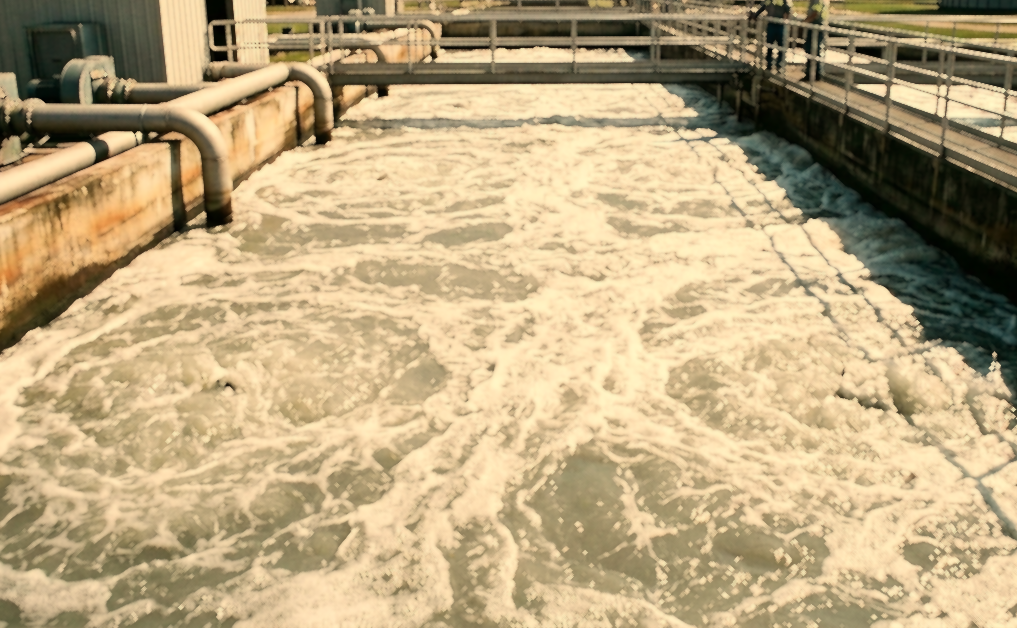
The aeration tanks will typically have very low active biomass. Initial MLSS will be around 150–250 mg/L, with poor settling and minimal biological activity. The available commissioning wastewater will mainly consist of a mixture of low-strength utility/process wash water and domestic or other plant effluent.
Expected at Day 0:
COD 150–250 mg/L
BOD 50–100 mg/L
MLSS 150–250 mg/L
Sludge settling will initially be poor.
Evobac-SM seed dosing will begin on Day 0.
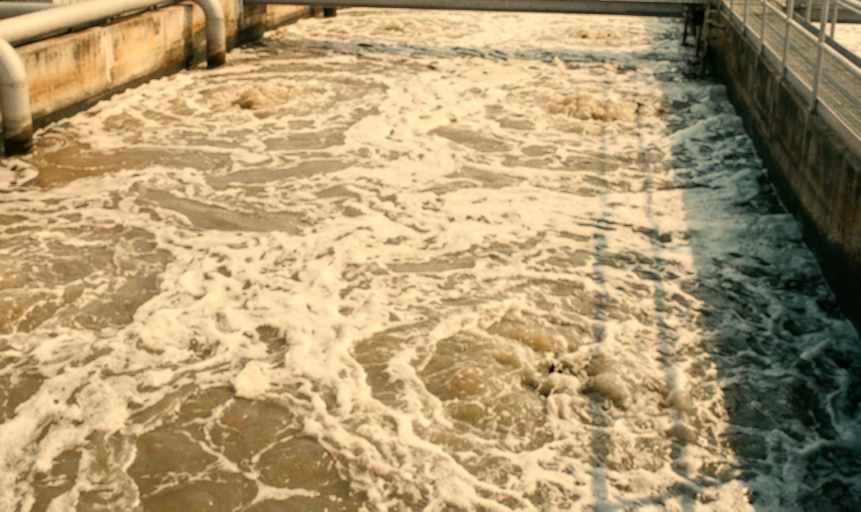
Biomass will multiply rapidly without needing external jaggery. Turbidity will improve as a stable biological foundation establishes itself in the aeration tank. Aeration will be maintained continuously with adequate oxygen.
The bacterial population will begin adapting to the low-strength wastewater.
Visible sludge will remain low, but the aeration tank will begin showing a noticeably active biological appearance.
Expected by Day 3:
MLSS: 400–600 mg/L
COD: 150–220 mg/L
BOD: 40–80 mg/L
DO: Maintained around 2–3 mg/L
Settling: Still developing
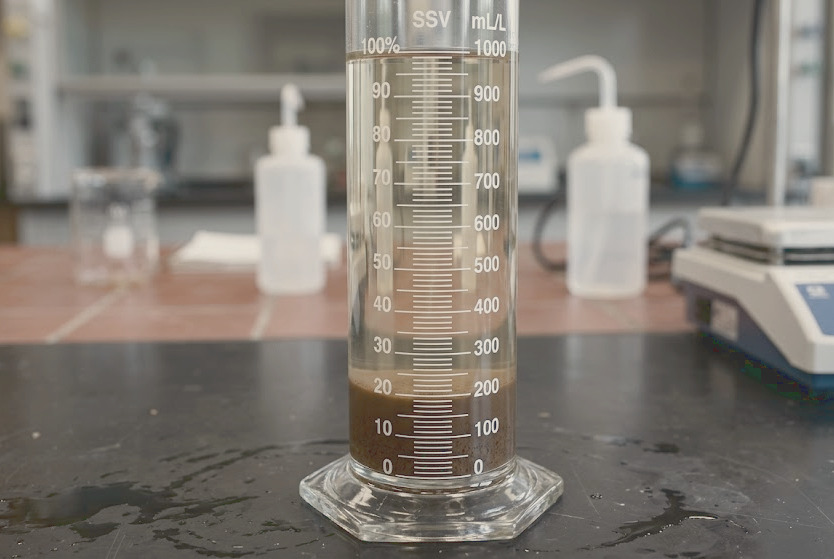
Strong biological flocs will develop and the system will achieve its target MLSS. The Sugar Mill ETP Bacteria will become fully active and prepared. The aeration tank will start developing a much denser brown biological floc. MLSS will increase rapidly even under relatively low COD loading.
Expected by Day 7:
COD: inlet 200–300 mg/L
BOD: inlet 70–120 mg/L
MLSS: 1,200–1,800 mg/L
DO: 2–3 mg/L
Sludge appearance: Dense brown floc
Settling: Noticeably improved
The sludge blanket will become more compact. You will observe a clear difference between the initial thin, slow-settling sludge and the dense biological biomass developing in your aeration tank.
Your ETP will transition smoothly from “starting biology” to “established biological biomass.”
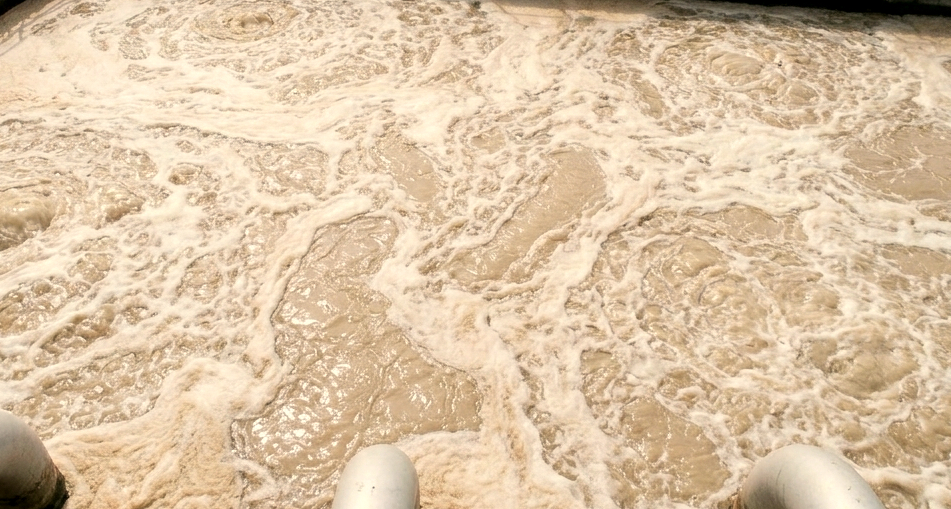
By this stage, the plant will have established a significantly stronger biological population. MLSS will reach approximately 2,000–2,500 mg/L. Even while the commissioning wastewater remains relatively weak: COD: 250–350 mg/L BOD: 80–150 mg/L The biological system will be fully capable of handling substantially higher organic loads. The clarifier will exhibit: Better floc formation Faster settling Lower suspended solids in overflow .
Your ETP will be fully stabilised and ready to handle high organic shock loads during crushing.
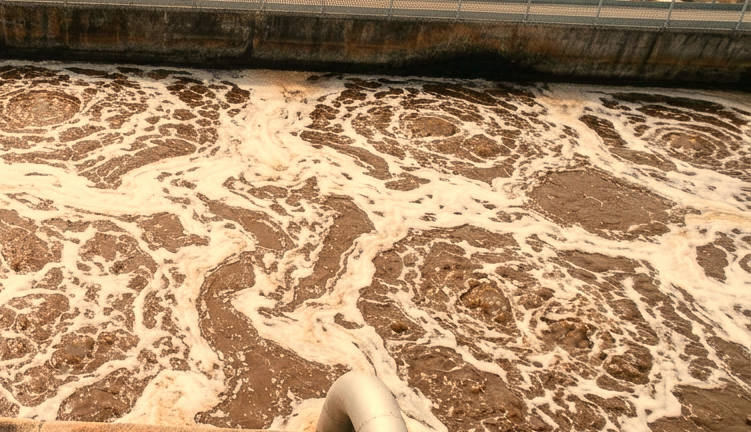
The initial response will involve a temporary increase in oxygen demand. The aeration tank may turn darker (but not black / grey). This is where Evobac-SM clearly outperforms generic bacteria.
With an established Evobac-SM population, the biomass quickly adapts to the higher organic load.
COD will reduce consistently.
Floc structure will remain intact. The clarifier sludge blanket will remain manageable. Aeration will become more stable, and treated-water colour will diminish.
Expected by Day 14:
MLSS: 2,800–3,500 mg/L
MLSS does not collapse when the high-strength wastewater arrives.
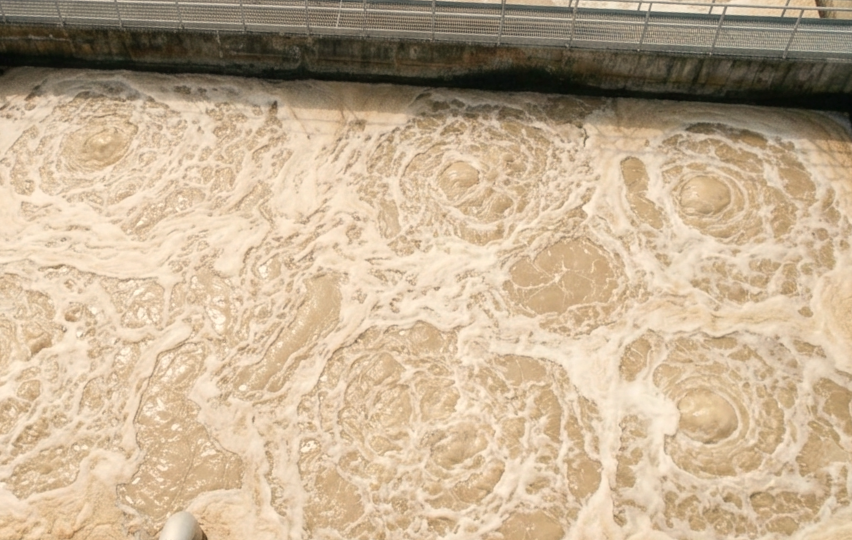
The microbial population will now utilize the high substrate load for which the ETP is engineered.
The high biodegradable organic load will serve as an active food source rather than a destabilizing shock.
Expected by Day 15: (*At aeration tank outlet )
COD: below 350 mg/L
BOD: below 80 mg/L
TSS: less than 100mg/L
Colour: Noticeably lighter
The aeration tank will sustain a dense, healthy brown biological floc.
The clarifier will produce a compact sludge blanket and a visibly clearer overflow.
Evobac-SM seed dosing will stop on Day 15.
Switch to maintenance dosing schedule.
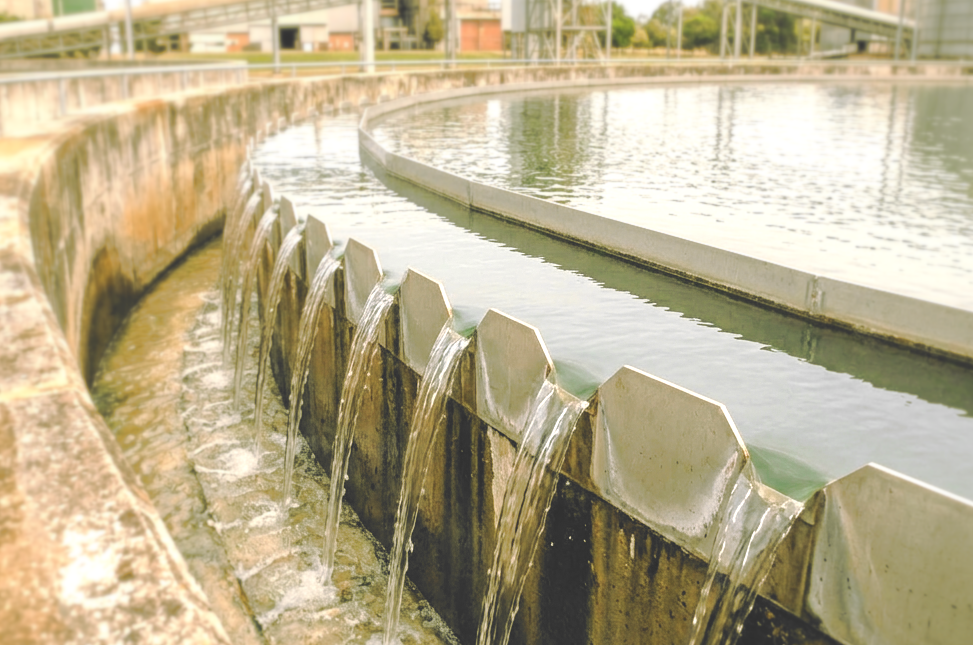
By Day 20, your ETP will transition out of commissioning mode.
It will operate with steady-state efficiency under the full crushing-season load.
Expected operating benchmarks: MLSS: 3,000–4,000 mg/L, stable DO, dense biological floc, rapid sludge settling, clearer clarifier overflow, reduced odour, and consistent COD/BOD removal.
There will be no MLSS collapse after the introduction of high-strength sugar effluent.
While the incoming raw wastewater will remain dark and heavily loaded, the treated discharge will remain substantially clearer and biologically stabilized.
This is a one-time dose for Sugar Mill ETP commissioning.
We will give you an SOP and also guide you on the phone.

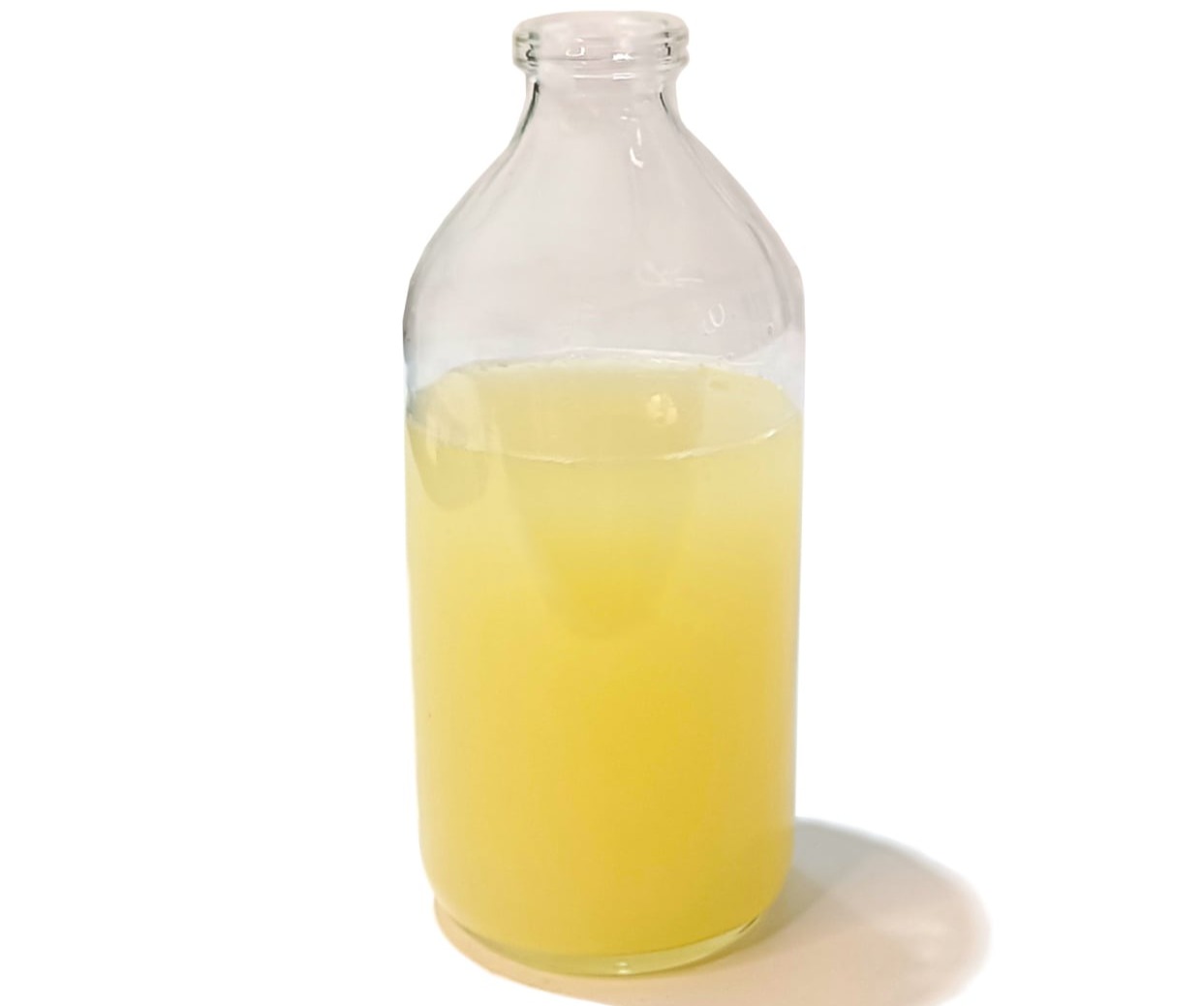
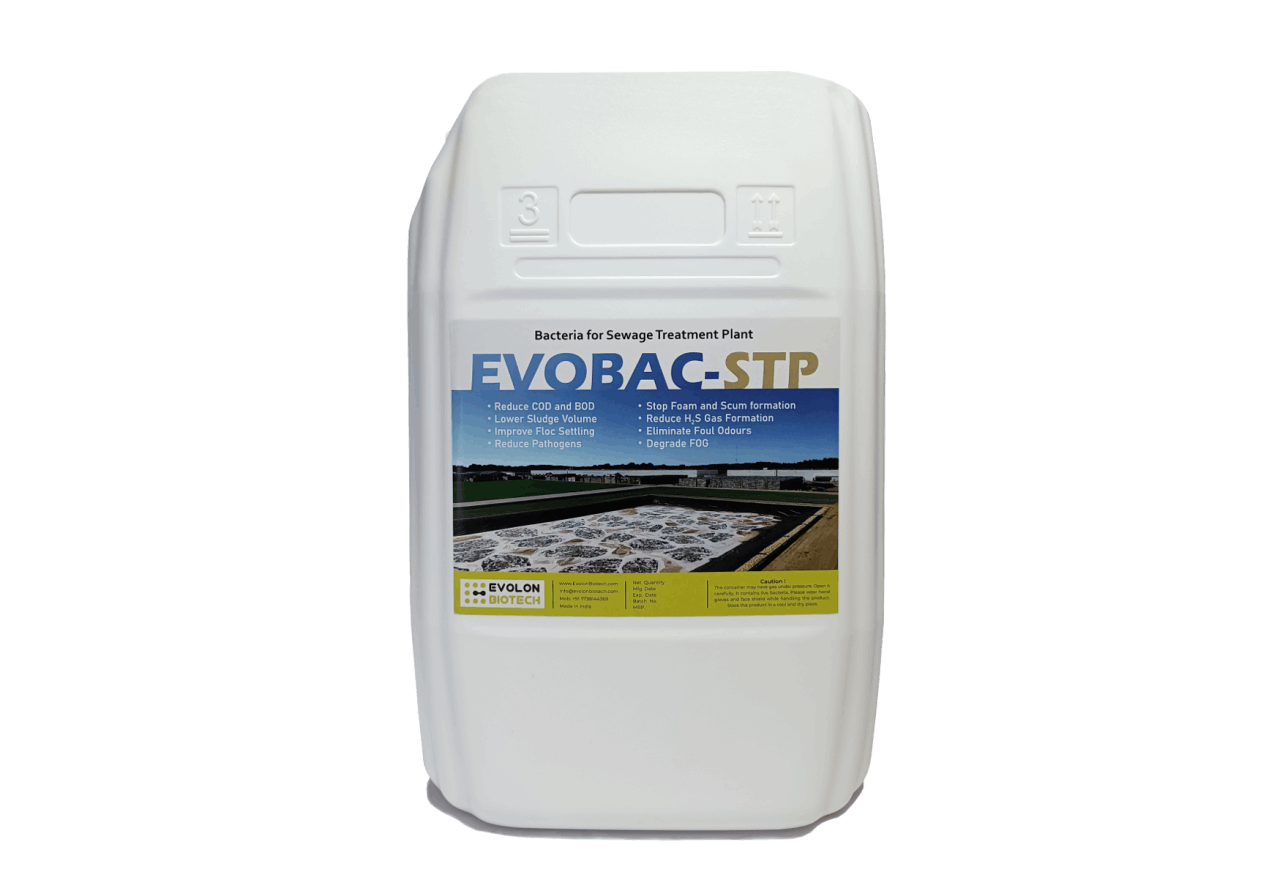
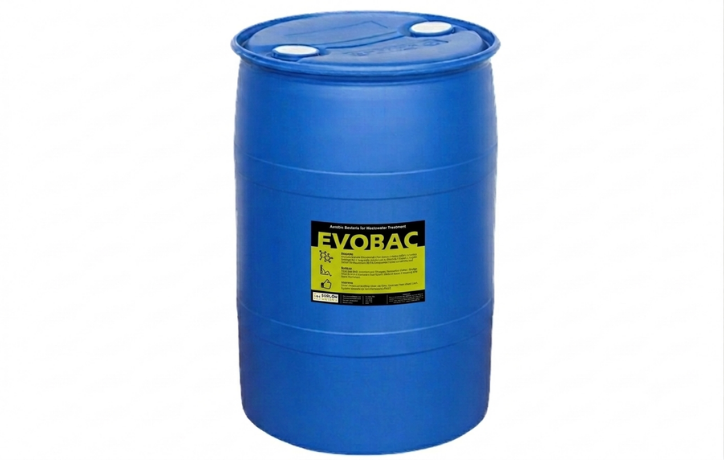
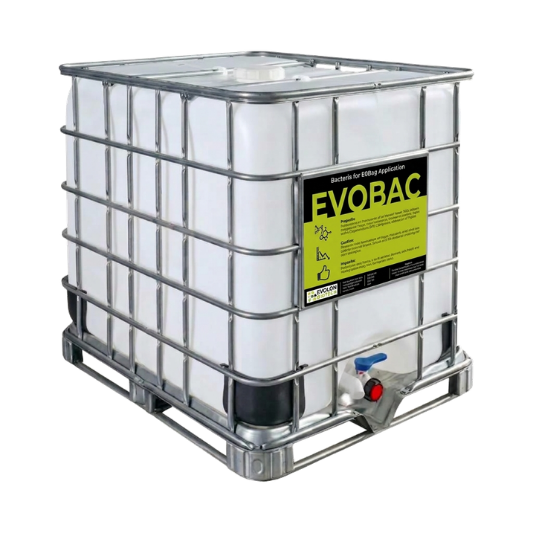
Evobac SM - Liquid Bioculture shown here for reference.
Microbial Count: 10^11 c.f.u/ml
Type of Bacteria: Aerobic and Facultative Microbes
DO requirement: 0.5 to 1 PPM
DO tolerance: 0.2 PPM
pH requirement: 6.8 to 7.2
pH tolerance: 5.5 to 9.0
Enzymes: Amylase, Protease, Cellulase, Lipase, etc.
Colour: Straw Yellow
Odour: Sweet Fruity odour
Shelf Life: 12 Months
Activation: Not required. It comes ready to use
Compatible with existing Bioculture: Yes
Can be added with other chemicals: Yes
Export Compliant: Yes. Exported via Sea and Air route.
Safety: Completely Safe. FDA-GRAS Status microbes.
Allergies: No known allergies. Please refer to MSDS
Storage Conditions: Store in cool and dry place at RT
Please contact us for detailed specifications and other documents.








+91 9321 428 528
Evolon Biotech (Reg. Office)
101, A Wing, Build. No. 6, Sakshi Park-II,
Gate 13-0, 14-0, 15-0 and 12 A,
Panvel, Navi Mumbai, Maharashtra,
India, 410206
Sales Enquiry - 9:30 am - 5:30 pm
Technical Support - 24 X 7